Recent Articles
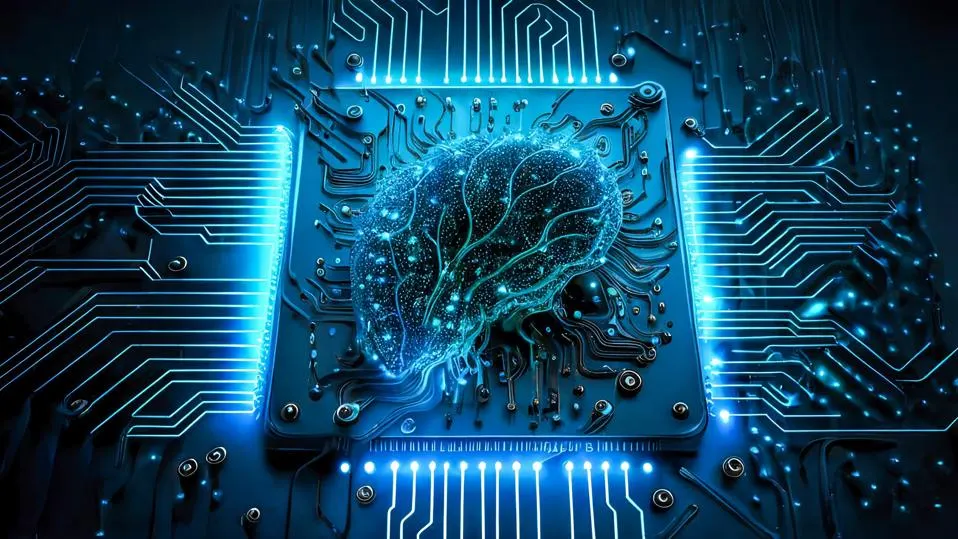
The 4 Types Of Generative AI Transforming Our World
The term generative AI refers to a relatively new field of AI that can create human-like content, from pictures and videos to poetry and even computer code.[...]

Unleashing AI Sounds: The Best Tools For Music, Voices, And Effects
AI's capability to generate realistic text and images is well known, but it can also produce lifelike sounds.[...]
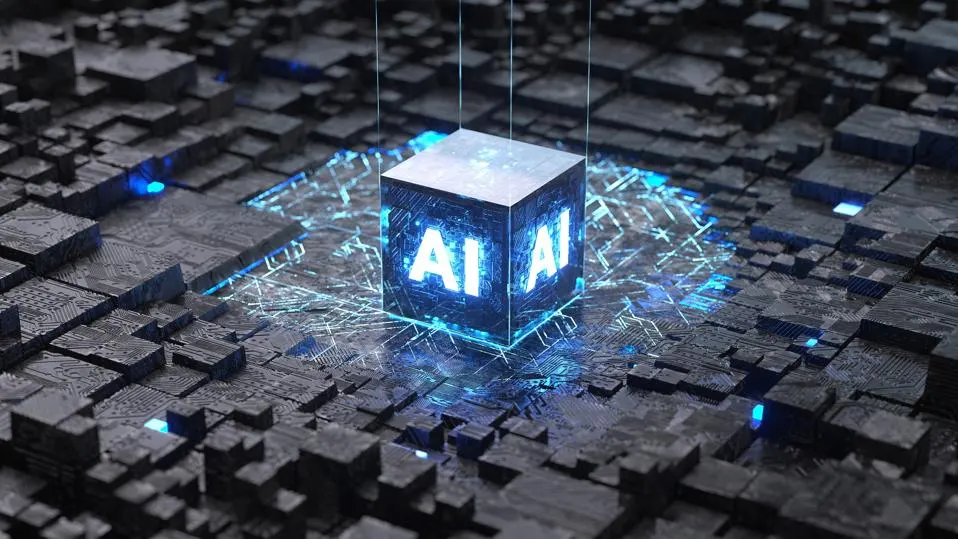
Spotting AI Washing: How Companies Overhype Artificial Intelligence
Although I firmly believe AI is a hugely transformative technology that will change the world in many ways, it’s also clear that there is a lot of hype and hot air around the subject![...]
Clients






























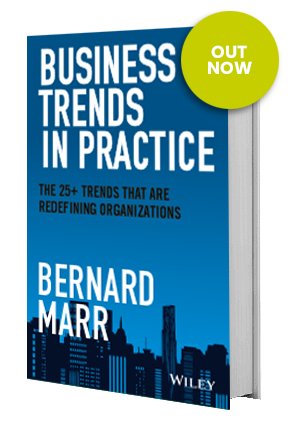
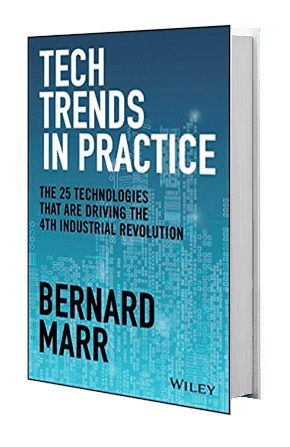
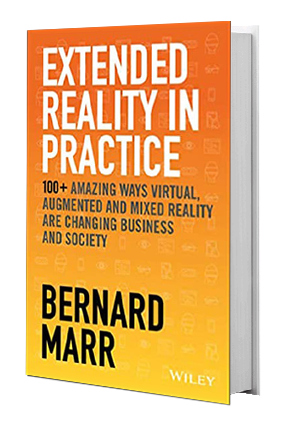
Recent articles by Bernard Marr:

Artificial Intelligence & Machine Learning
Artificial intelligence (AI) and machine learning (ML) are arguably the most transformative technologies available to mankind today.
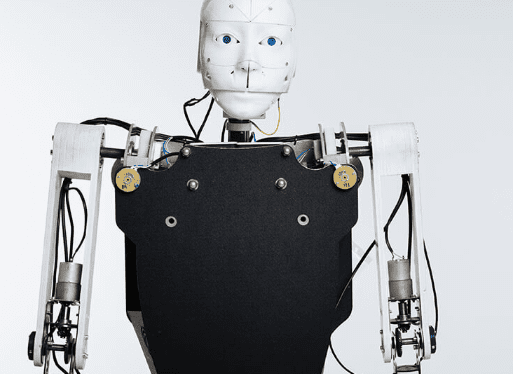
The Internet Of Things, Edge Computing, Robots & Smart Devices
Our world is getting smarter as we build intelligence into everyday devices such as phones, watches, TVs and cars.

AR, VR, MR & The Metaverse
Virtual and augmented reality are technological innovations that are going main stream at the moment and which have huge potential to transform the ways people interact with organisations and their products and services…

Strategy & Business Performance
In today’s busy and fast changing business world organisations need the right strategies to help them thrive and effective tools to help them deliver on their strategic ambitions.

Key Performance Indicators & Metrics
Used along-side effective strategic planning, the right KPIs and business metrics act as essential navigation tools that help organisations understand how well they are doing in delivering on their strategic goals.

Big Data & Analytics
Data is becoming one of today’s most critical business assets. Data is at the heart of many transformative tech innovations including predictive analytics, artificial intelligence, machine learning and the Internet of Things.

Management, Leadership & The Future Of Work
The way we manage, lead and work in modern organisations is evolving and changing constantly.

Web3, Blockchain, NFTs & Distributed Ledgers
Blockchains and related distributed ledger technologies are fast evolving technologies with huge potential to disrupt many sectors across business, government and society.

Early Tech Innovations
The speed of innovation is accelerating with every day and most people and organisation are struggling to keep up with the leading-edge developments…
Social Media